TL;DR
An angry customer is upset about a problem, not about you. Let them talk, stay calm, say sorry, find the real issue, offer a fix, keep your promise, and follow up. Do these seven things and many angry customers turn into loyal ones.
Introduction
It is Monday morning. A message pops up: "Where is my order? This is the third time I am asking!" Your stomach drops.
If that feels familiar, you are not alone. Every store gets angry customers sooner or later. The good news is that how to deal with angry customers is a skill, and you can learn it. It is not about being tough. It is about staying calm and fixing the problem fast. Do it well, and you can turn anger into loyalty.
In this guide, you will get a simple 7-step method, exact words to say, and tips for phone, email, and WhatsApp. If your team is stretched thin, Kovax can answer calls and messages 24/7 and pass tough ones to your team.

Why Customers Get Angry
Anger is rarely about one thing. Most of the time, it comes from a mix of these:
- The order is late and nobody told them.
- The wrong item showed up, or it came broken.
- They asked for help and heard nothing back.
- They had to explain the same thing three times.
- They felt ignored or talked down to.
Look at that list. Most of it is about waiting and feeling ignored. A late package is a small problem. A late package plus silence is a big one.
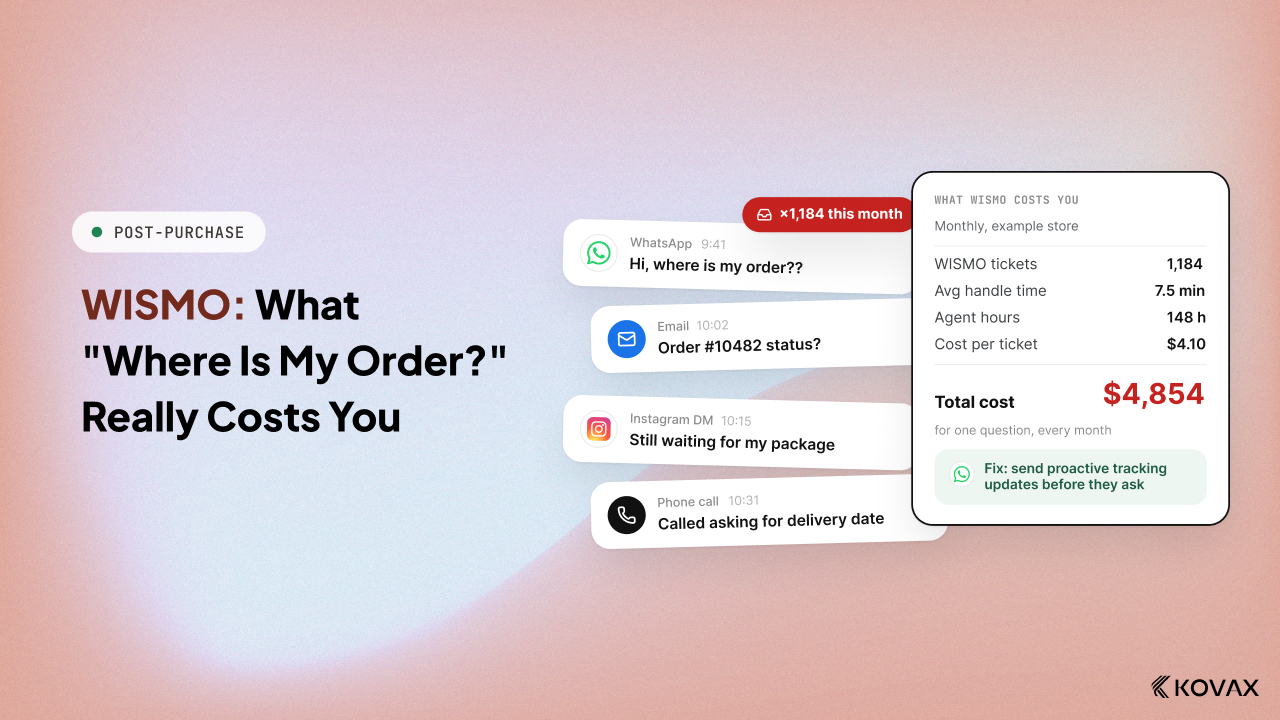
That is why clear order updates matter so much. If you get a lot of "where is my order" messages, our guide to WISMO shows how to cut them down.
Also remember that people often reach you after they have already tried other ways. They may be tired and stressed. Their first words may sound harsh. That is the stress talking, not the person.
Get Your Own Head Right First
Before you reply, pause. Take one slow breath. Tell yourself: "They are mad at the problem, not at me."
Then read the message twice. Many people reply to the first angry line and miss the real question in the last line. If you feel your own temper rising, get a glass of water and take two minutes. Never reply while you are angry too. A reply you send in anger can cost you a customer for good.
How to Deal With Angry Customers: The 7-Step Method
This method works for upset customers on any channel. It is built for de-escalation, which just means turning the heat down so you can solve the problem. Follow the steps in order.

1. Let Them Finish
Do not interrupt. Do not defend yourself. On a call, stay quiet until they take a breath. In writing, read the whole message before you type a word.
Many angry customers calm down just because someone listened. You can say: "I hear you. Please keep going, I want to understand."
2. Stay Calm and Slow Down
Lower your voice. Speak slowly. Keep your sentences short. Anger spreads fast, but calm spreads too.
If the customer shouts, do not shout back. In chat or email, skip the capital letters and the pile of exclamation marks. Keep your tone steady and kind.
3. Say Sorry the Right Way
A good sorry is short and real. Say sorry for the problem and for how they feel. Do not blame anyone.
Try this: "I am sorry your order is late. I would be upset too." Do not say "calm down." It almost always makes things worse. Do not start with "that is our policy" either. Save the rules for later.
4. Find the Real Problem
The first complaint is often not the real one. "Where is my refund?" may really mean "I am scared I lost my money."
Ask two or three simple questions:
- What did you order, and when?
- What happened when it arrived?
- What would make this right for you?
Then say it back in your own words: "So the box came open and one item was missing. Is that right?" This shows you listened. It also stops mistakes.
5. Offer a Fix
Give choices when you can. Choices give the customer a bit of control back. "I can send a new one today, or I can refund you now. Which do you prefer?"
If you cannot do what they ask, do not just say no. Say what you can do. For example: "I can't refund the shipping, but I can send a free replacement today." If returns cause many of your complaints, this guide on returns can help.
6. Promise Only What You Can Keep
You will not always have an exact answer, and that is okay. Do not make up a time just to calm someone down. Be honest instead: "I don't have the carrier's update yet. I will check again tomorrow by noon and message you either way."
If you know the answer, give a clear time. If you don't, give a range or a next check-in time, then stick to it. A broken promise is worse than the first problem. And if something changes, tell the customer before they have to ask.
7. Follow Up
After the fix, check in. Send a short note: "Did the new order arrive? Is everything okay now?"
This small step is what turns angry customers into fans. It shows you care after the sale. It also helps your customer retention, because people stay with stores that fix things well.
Finally, write down what went wrong. Share it with your team so the same problem does not hit the next customer.
The 7 Steps in Action: A Simple Example
Here is how the steps sound in a real chat. A customer named Dan writes: "My jacket came three days late and the zipper is broken. This is a joke."
Step one is to read all of it and not reply in a rush. Then you write back: "Dan, I am really sorry. A late jacket with a broken zipper is not what you paid for. Can you send me a photo of the zipper?"
Dan sends the photo. You say it back: "So the zipper split on the first try. Is that right?" He says yes. Now you offer two fixes: "I can ship a new jacket today, or I can refund you in full. Which would you like?"
He picks the new jacket. You promise: "It ships today, and I will send you the tracking link by 5 pm." You send it at 4:30 pm. Two days later, you check in: "Did the new jacket arrive? How is the zipper?"
That is the whole method. It took a few short messages. Dan went from angry to calm, and he is far more likely to shop with you again.
Words That Help and Words That Hurt
The words you pick can cool a talk down or set it on fire. Here are support scripts you can copy.
| Instead of saying | Try saying |
|---|---|
| "Calm down." | "I want to fix this. Let me look into it now." |
| "That is our policy." | "Here is what I can do for you." |
| "You should have read the page." | "Let me make that clearer for you." |
| "It is not our fault." | "I am sorry this happened. Let me check what went wrong." |
| "I don't know." | "Good question. I will find out and get back to you by 3 pm." |

Notice what the better lines do. They show you care, they point to action, and they give a time. They never argue. Think of them as a simple script you can adjust, not a robot reply. Customers can tell when a line is copy and paste.
Dealing With Angry Customers on Phone, Email, and WhatsApp
Each channel has its own feel. Here is how to deal with angry customers on each one.
On the phone: Your voice does most of the work. Speak slower than the customer. Do not leave them on hold for long. At the end, say the plan back: "I am sending a new box today and you will get tracking by 5 pm."
By email: Start with one line that shows you read the message, such as "I am sorry the box arrived damaged." Keep paragraphs short. Reply fast. A slow reply to an angry email is like pouring fuel on a fire. Read your reply out loud before you send it. If it sounds cold, fix it.
On WhatsApp or text: People expect quick answers here. Keep messages short and ask one question at a time. Send the tracking link right in the chat. If you need time, say so: "Checking now, back in 10 minutes."

Common Situations and What to Do
Some problems show up again and again. Here is a quick plan for the most common ones.
- A late order. Say sorry first, then share the real status. Give a new date, even if it is only an estimate. If you can, add a small thank-you, like free shipping on the next order.
- A wrong or broken item. Ask for a photo, then offer a fast replacement or a refund. Do not make the customer pay to fix your mistake.
- A refund you cannot approve. Be honest and kind. Explain why in one sentence, then offer the next best option, like store credit or an exchange.
- A customer who has written three times. This person feels ignored. Open with: "I am sorry you had to ask again. I have your full history, so you won't need to repeat anything."
- A public complaint or bad review. Reply fast and politely. Say sorry, then move the talk to a private message so you can fix it. Do not argue in public.
The same seven steps work for all of these. Only the details change.
Mistakes That Make Things Worse
Even kind people slip. Watch out for these:
- Arguing. You may win the point and lose the customer.
- Copy and paste replies. Customers hate feeling like a ticket number.
- Making them repeat themselves. This is a top reason for anger. Keep notes and pass them on.
- Going silent. No news feels like bad news.
- Fixing too early. If you jump to a fix before they feel heard, they will keep venting.
- Promising too much. A "yes" you cannot keep is a new complaint waiting to happen.
When a Customer Crosses the Line
Most upset customers are not rude, just stressed. But some cross the line. If someone swears at you, threatens you, or insults your team, you do not have to take it.
Stay calm and say: "I want to help you. I can't keep going if the language stays like this." Give one warning. If it continues, end the call or chat politely and tell a manager. Write down what happened. Protecting your team matters as much as keeping a customer.
Use Tools to Stay Fast Without Losing the Human Touch
Most anger starts with waiting. A customer sends a message at night and hears nothing until noon. By then they are furious.
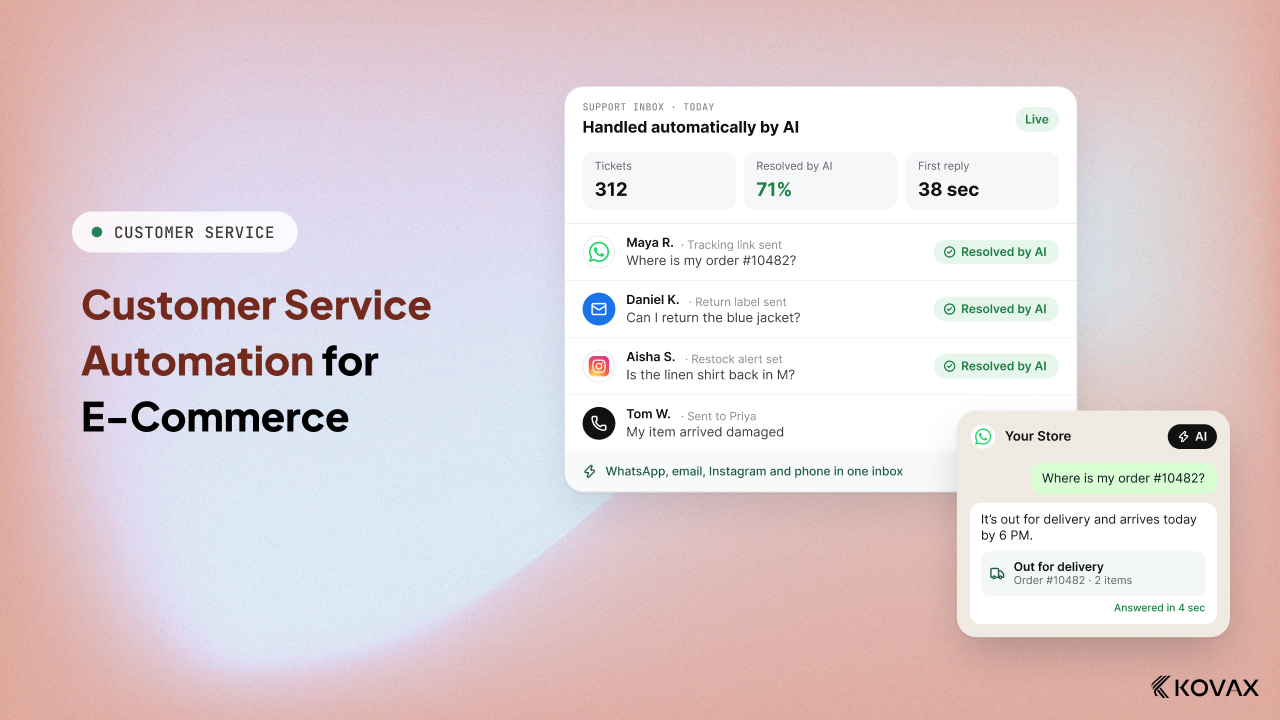
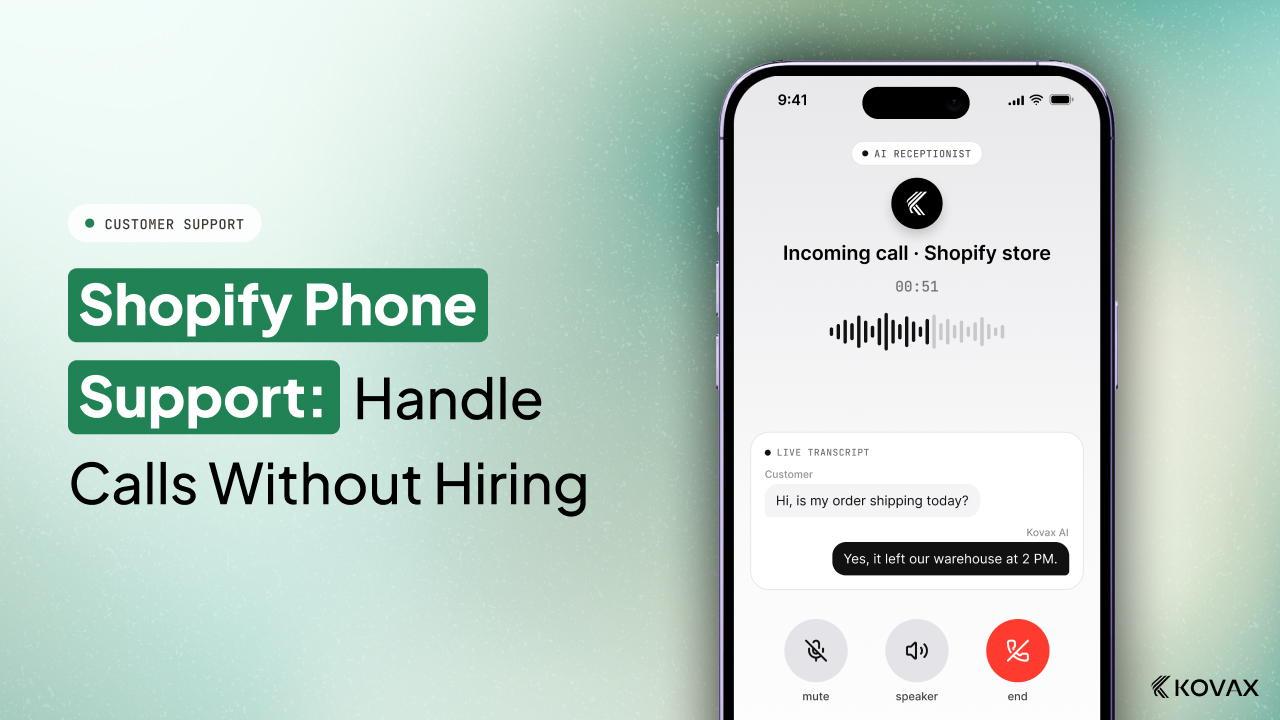
This is where tools help. Kovax's customer service agent answers calls, SMS, WhatsApp, and email around the clock. It pulls live Shopify order and tracking data, so customers get a real answer fast. When a case is tricky, it hands the call to your team with the full transcript and a short summary, so the customer does not have to repeat the story.
You still decide which cases a person should take. An angry customer often just wants to talk to a human who can fix things, so set that rule on purpose. To learn more, read about customer service automation and phone support without hiring a big team.
Final Thoughts
Angry customers are not a sign that you are failing. They are a sign that someone cared enough to speak up. Many of your best customers will be the ones you once fixed a problem for.
Remember, your goal is not to win the talk. Your goal is to make the customer feel heard and then solve the problem. Every angry customer you handle well is proof to your whole team that good service works.
Here is the whole method in one breath. Listen. Stay calm. Say sorry. Find the real problem. Offer a fix. Keep your promise. Follow up. Practice these seven steps, and how to deal with angry customers will stop feeling scary.
Want help covering calls and messages while you focus on the fix? See how Kovax works.